
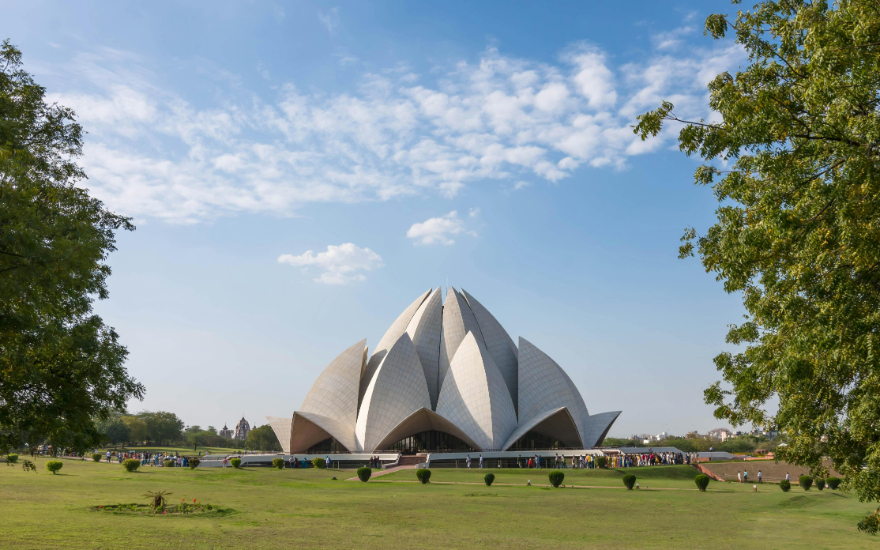


3 cities. 6 days. Countless memories. Welcome to India’s Golden Triangle — Delhi, Agra, and Jaipur. This journey gives you the best of India’s culture, history, and colors in one seamless trip. Spend 2 days in Delhi exploring Mughal monuments and lively bazaars, 1 night in Agra with the breathtaking Taj Mahal, and 2 nights in Jaipur, home to royal forts and palaces. Travel is easy with private transfers, and daily breakfast keeps you energized for full sightseeing days. Want more depth? Friendly local guides are available on demand to share stories and insider insights. From sunrise at the Taj to sunsets over Jaipur’s forts, every moment is crafted to be smooth, memorable, and truly immersive.
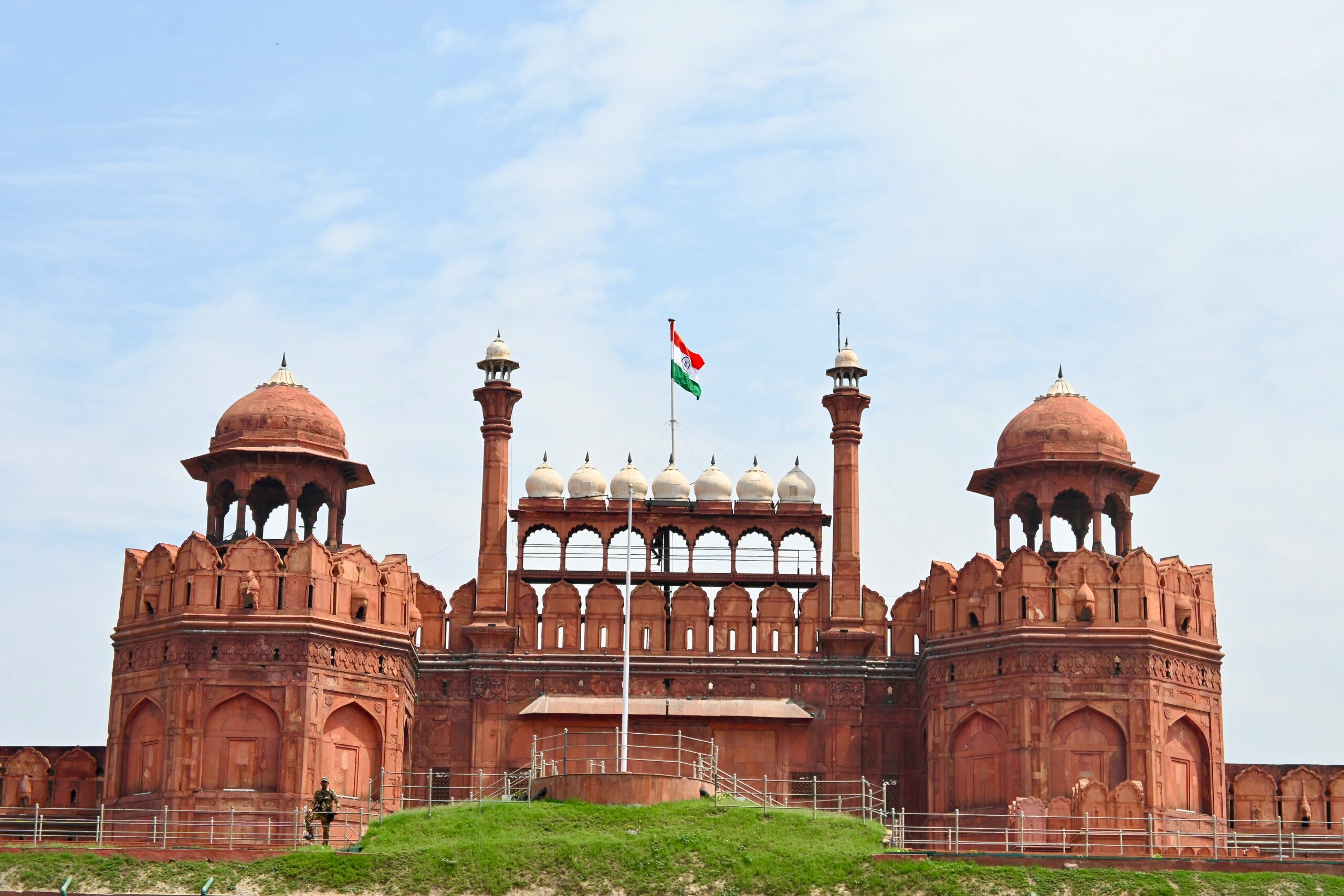
Built in 1648 by Emperor Shah Jahan, this massive fort of red sandstone was once the seat of Mughal power. Inside, you’ll find halls of public audience, lush gardens, and impressive gateways. Walking through its walls feels like stepping into royal history. The fort also offers great photo opportunities and a glimpse into India’s glorious past.
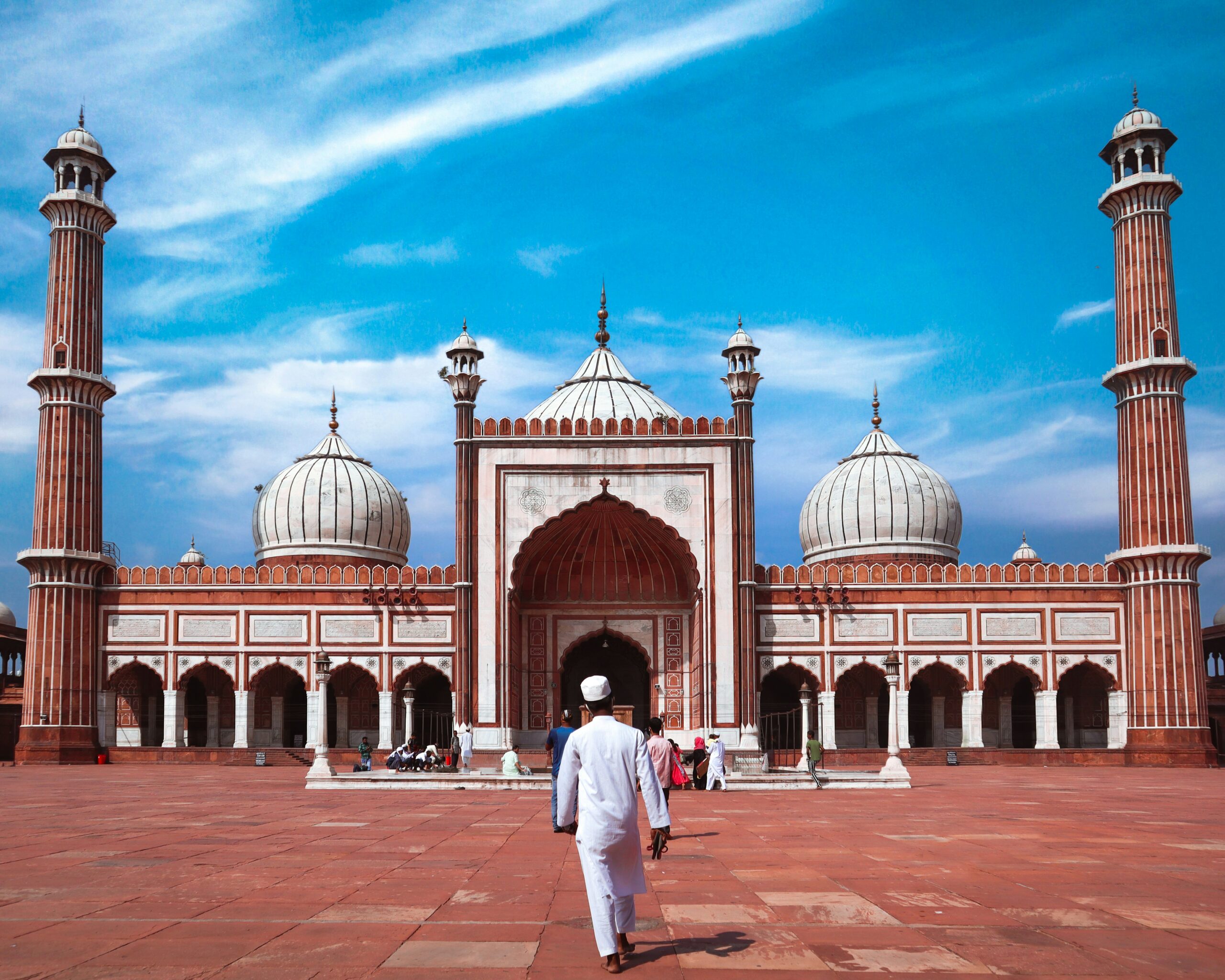
Commissioned by Shah Jahan in 1656, Jama Masjid is one of the largest mosques in India, holding nearly 25,000 worshippers. Its grand domes, minarets, and marble courtyards showcase stunning Mughal architecture. Climb one of the towers for panoramic city views or simply sit to absorb the peaceful vibe amidst Old Delhi’s hustle.
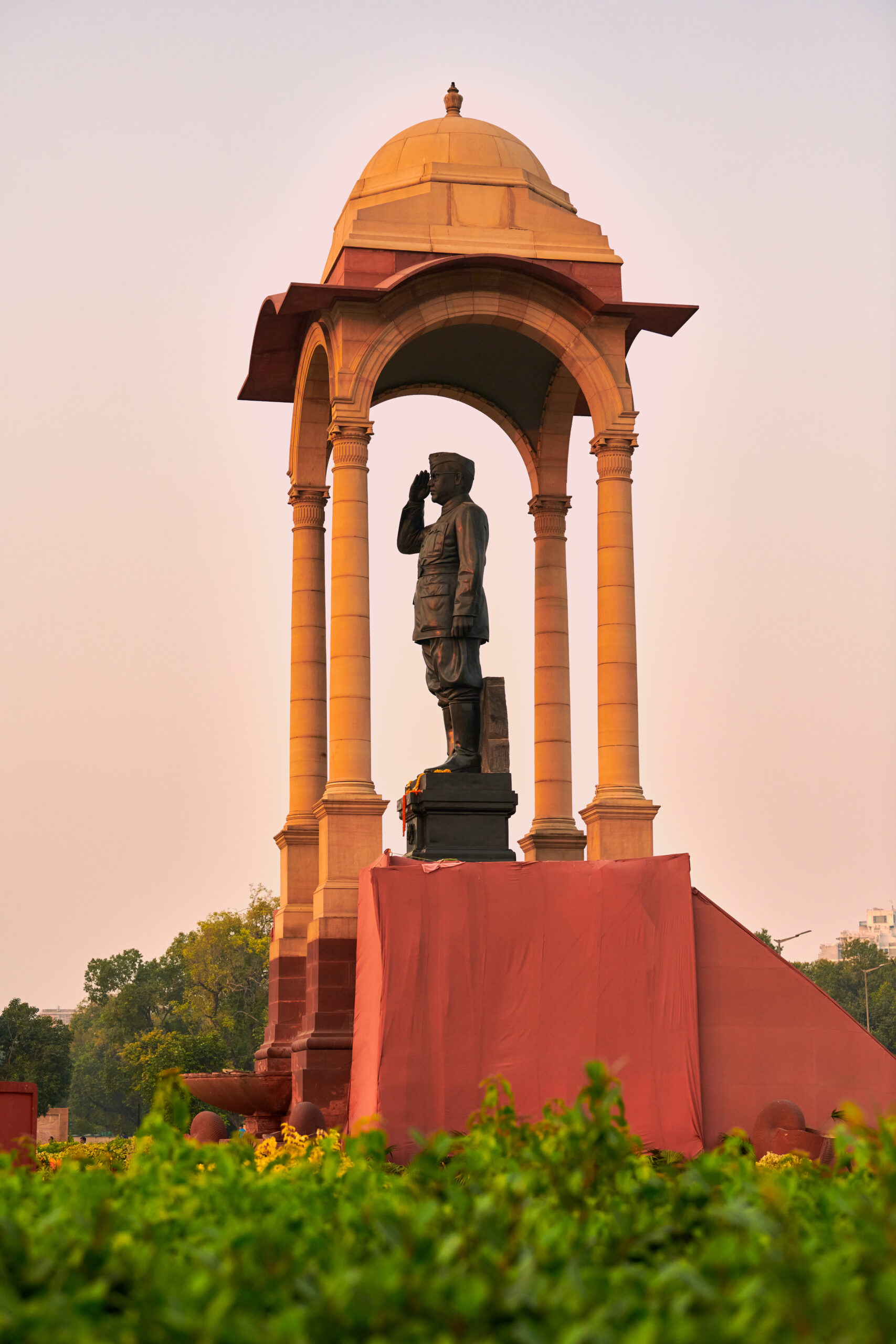
A simple yet moving black marble platform marks the spot where Mahatma Gandhi was cremated. Surrounded by gardens and quiet pathways, Raj Ghat is a place for reflection. Travellers often pause here to pay respect and capture the calm atmosphere before continuing their journey.
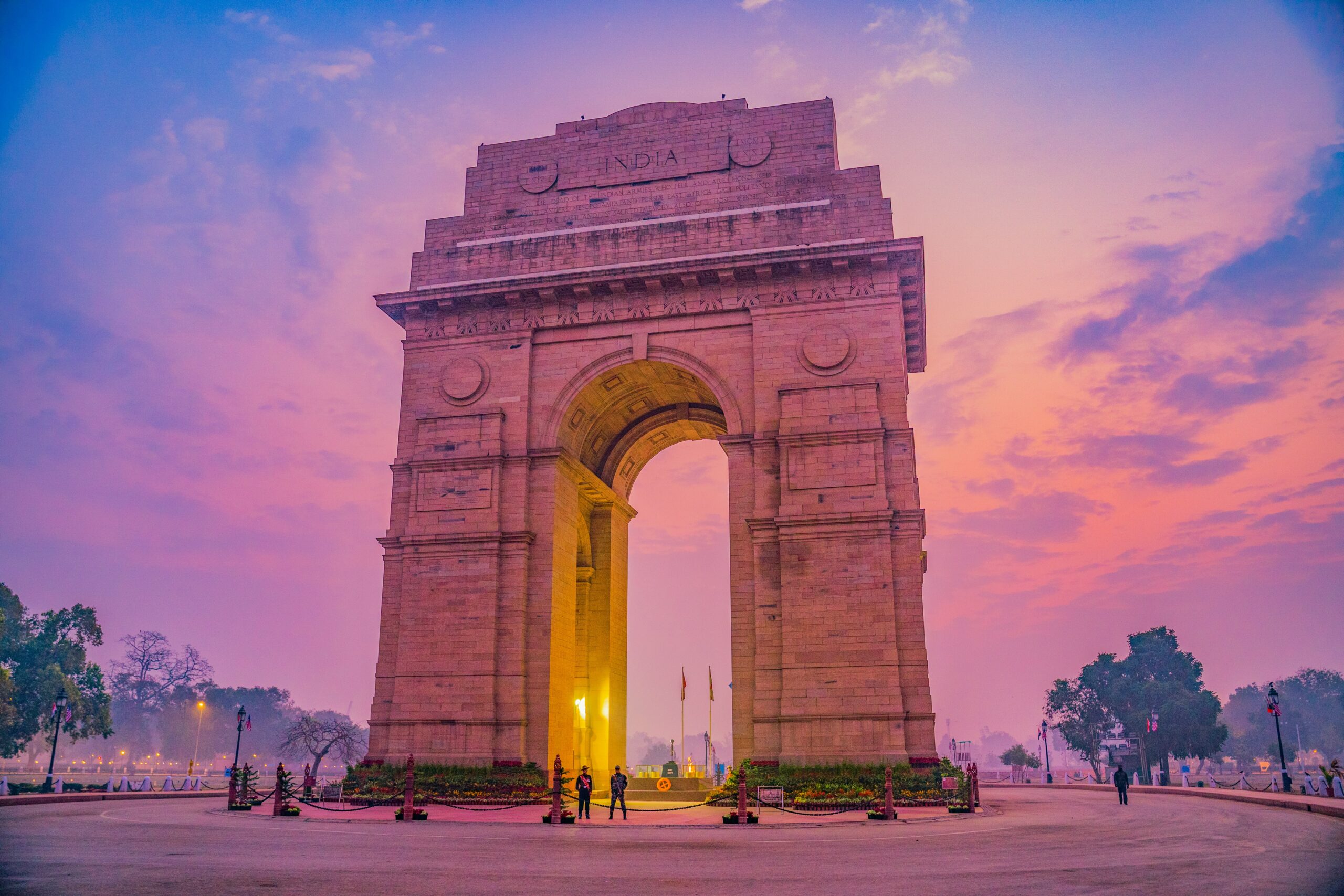
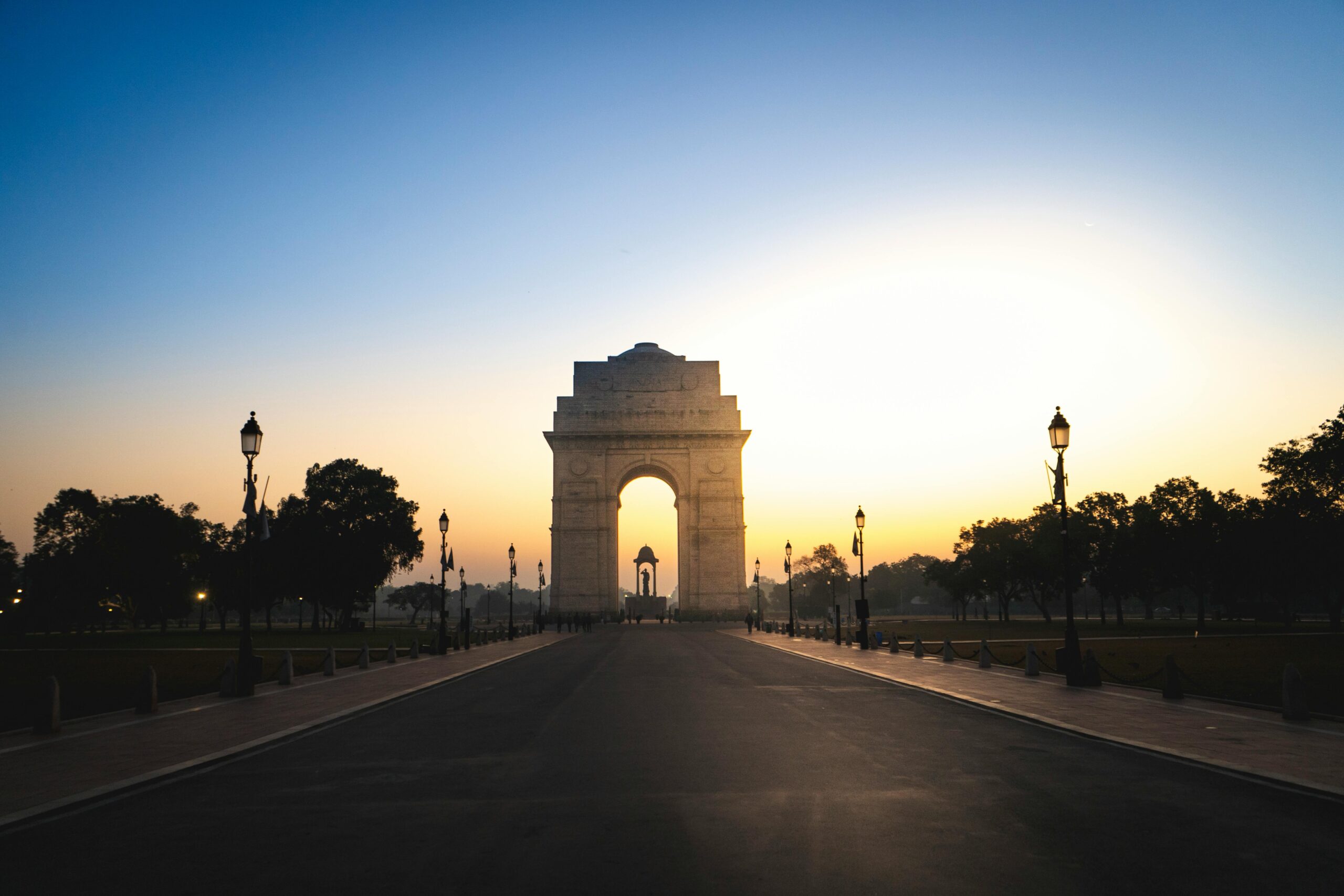
This 42-meter archway honors Indian soldiers who lost their lives in World War I. Set on a broad ceremonial avenue, India Gate is especially striking in the evening when it’s beautifully lit. It’s a popular place for locals and tourists alike to stroll, click photos, and enjoy the lively atmosphere.
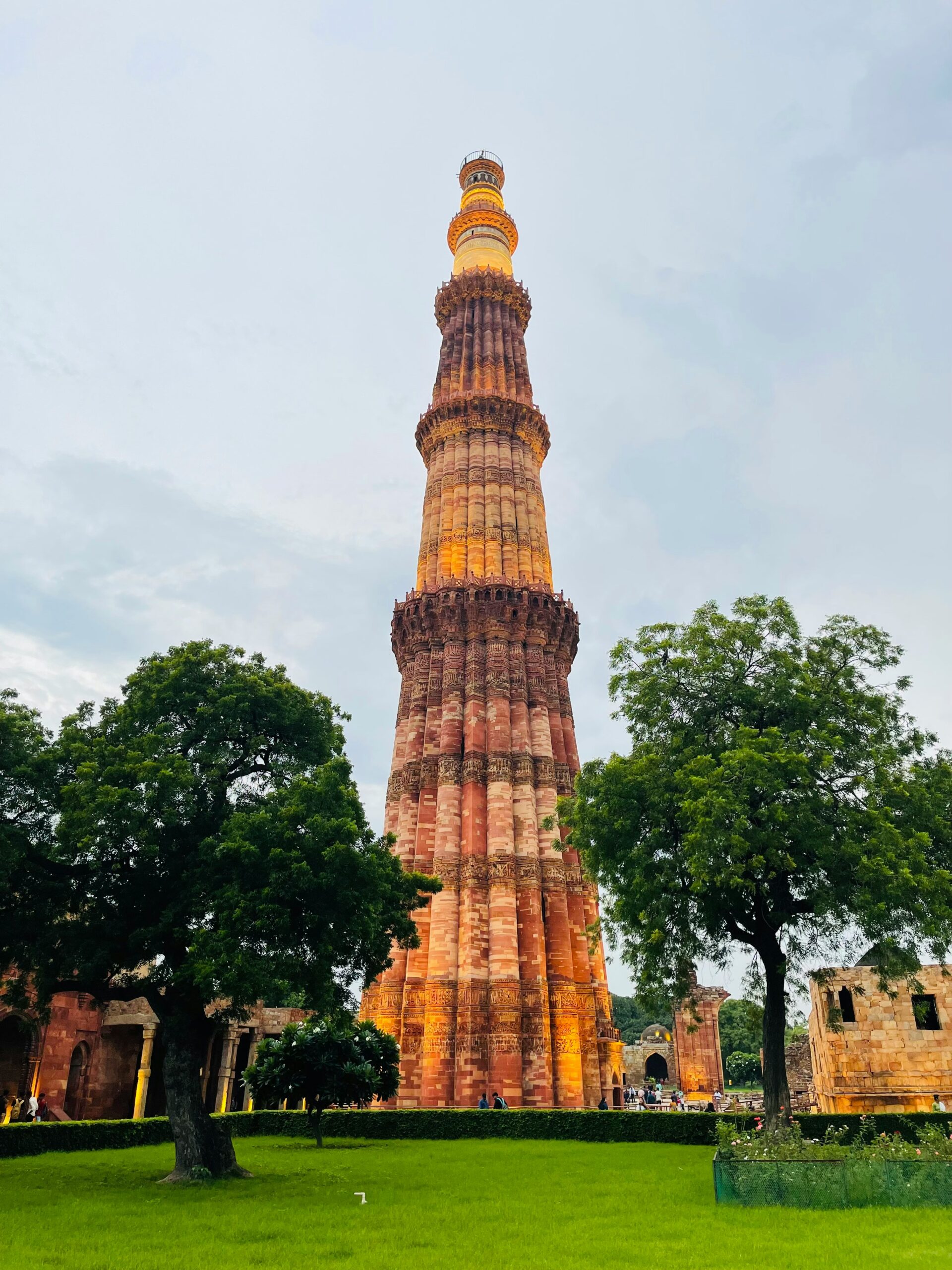
At 73 meters, Qutub Minar is the tallest brick minaret in the world. Built in 1193, its detailed carvings and surrounding ruins reflect Delhi’s early Islamic history. A UNESCO site, it’s perfect for photography and exploring the mix of history and architecture in a green, open setting.
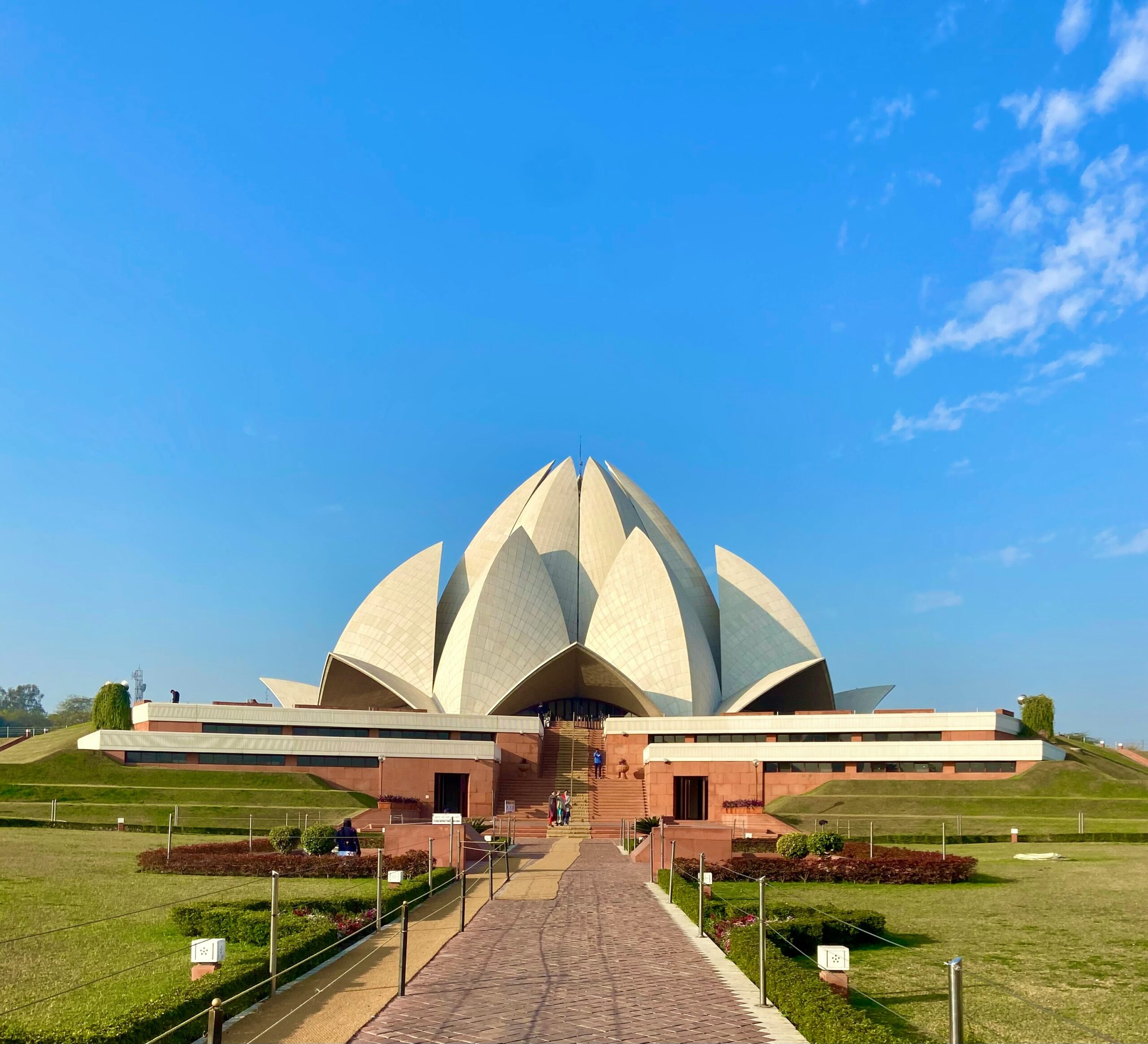
Shaped like a blooming lotus, this Baháʼí House of Worship is open to all faiths. Inside, silence and serenity welcome you for a moment of peace away from the city’s buzz. Its unique architecture and tranquil gardens make it a must-visit for travelers looking for calm and reflection.
Built by Emperor Shah Jahan in 1648 for his beloved wife Mumtaz Mahal, the Taj Mahal is a masterpiece of white marble. Its domes, minarets, and gardens create an awe-inspiring sight. As the light changes, the monument glows differently, making it a dream spot for photos and reflection.
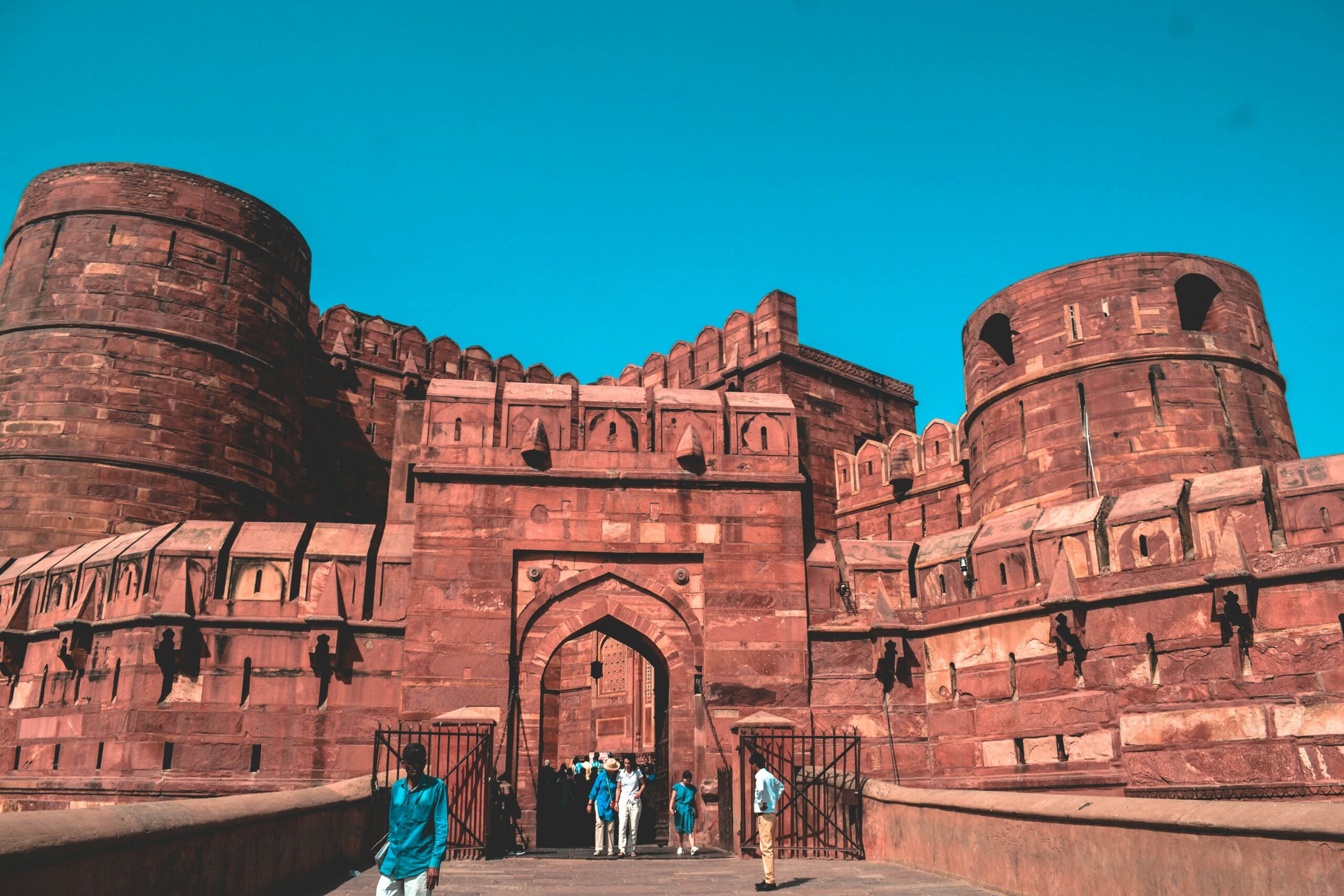
Constructed in 1573 by Emperor Akbar, Agra Fort is a UNESCO World Heritage Site. Walk through its red sandstone walls, grand courtyards, and palaces like Jahangir Mahal. From the fort, you’ll even spot the Taj Mahal in the distance — a breathtaking view connecting two Mughal gems.
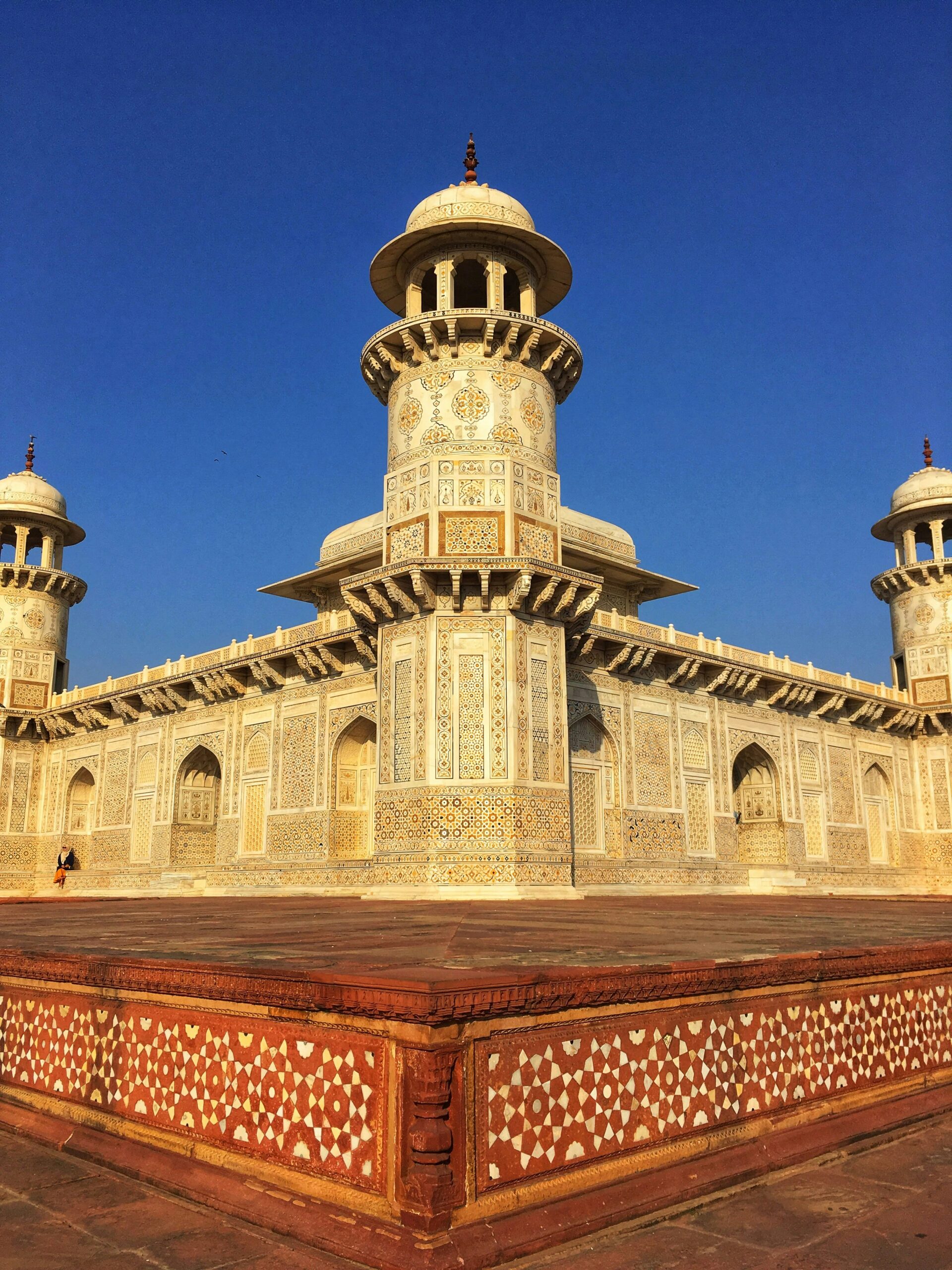
Often called the “Baby Taj,” this elegant marble tomb was built in 1628 and is believed to have inspired the Taj Mahal’s design. Its delicate carvings, gardens, and riverfront setting make it a peaceful spot for photos and exploration, away from the bigger crowds.
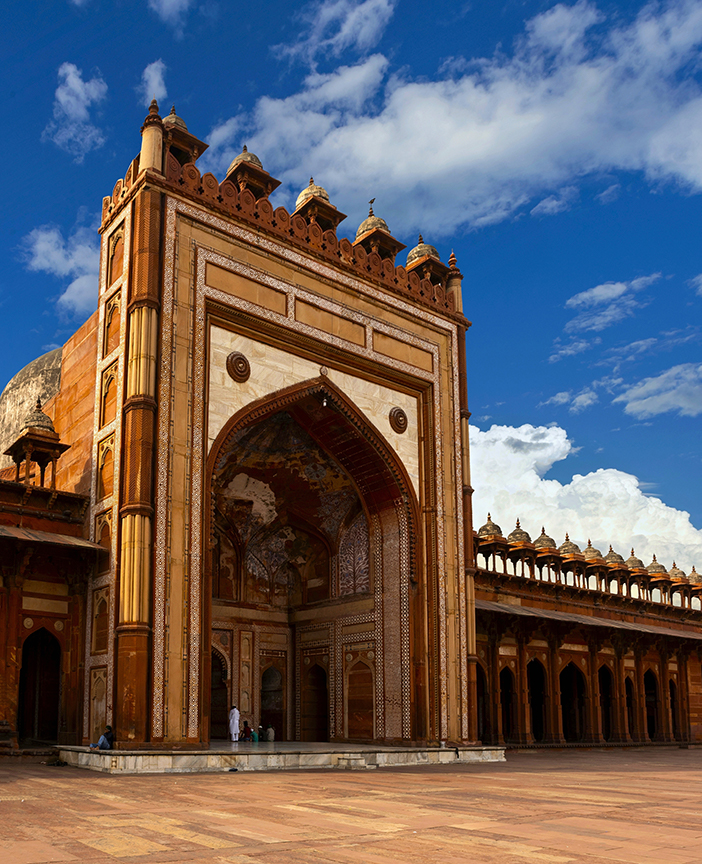
Built by Emperor Akbar in 1571, Fatehpur Sikri was the Mughal capital for 14 years before being abandoned. Here you’ll walk through Buland Darwaza (the tallest gateway in the world), Diwan-i-Khas, and Panch Mahal. Its unique blend of Persian and Indian styles, combined with the silence of an empty city, creates an unforgettable experience for travellers.
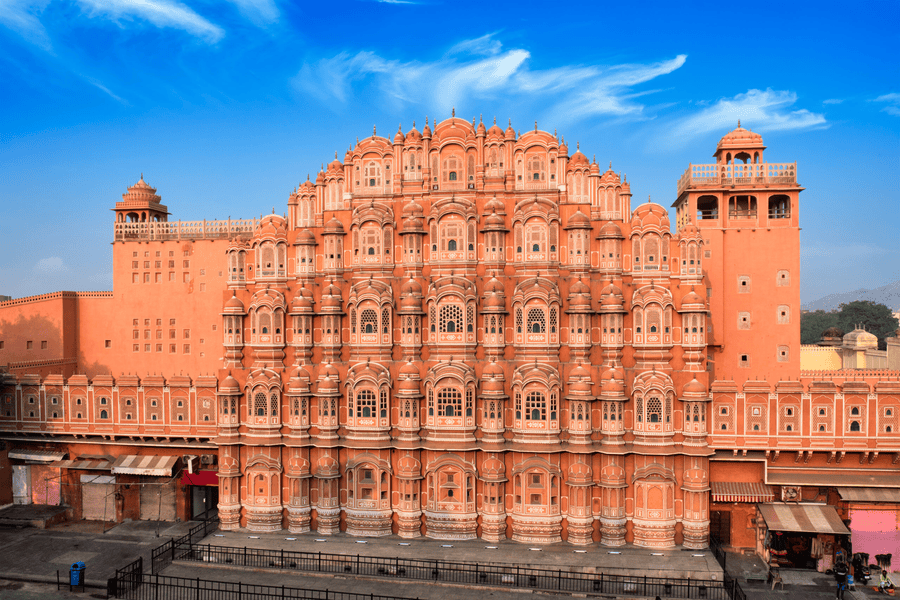
Built in 1799, this five-story structure with 953 windows was made for royal women to watch street life. Its honeycomb design lets cool breezes flow through, keeping it pleasant even in summer. Travelers enjoy both the view from outside and climbing inside for a look over Jaipur’s lively bazaars. It’s one of the most iconic symbols of the city and perfect for photos.
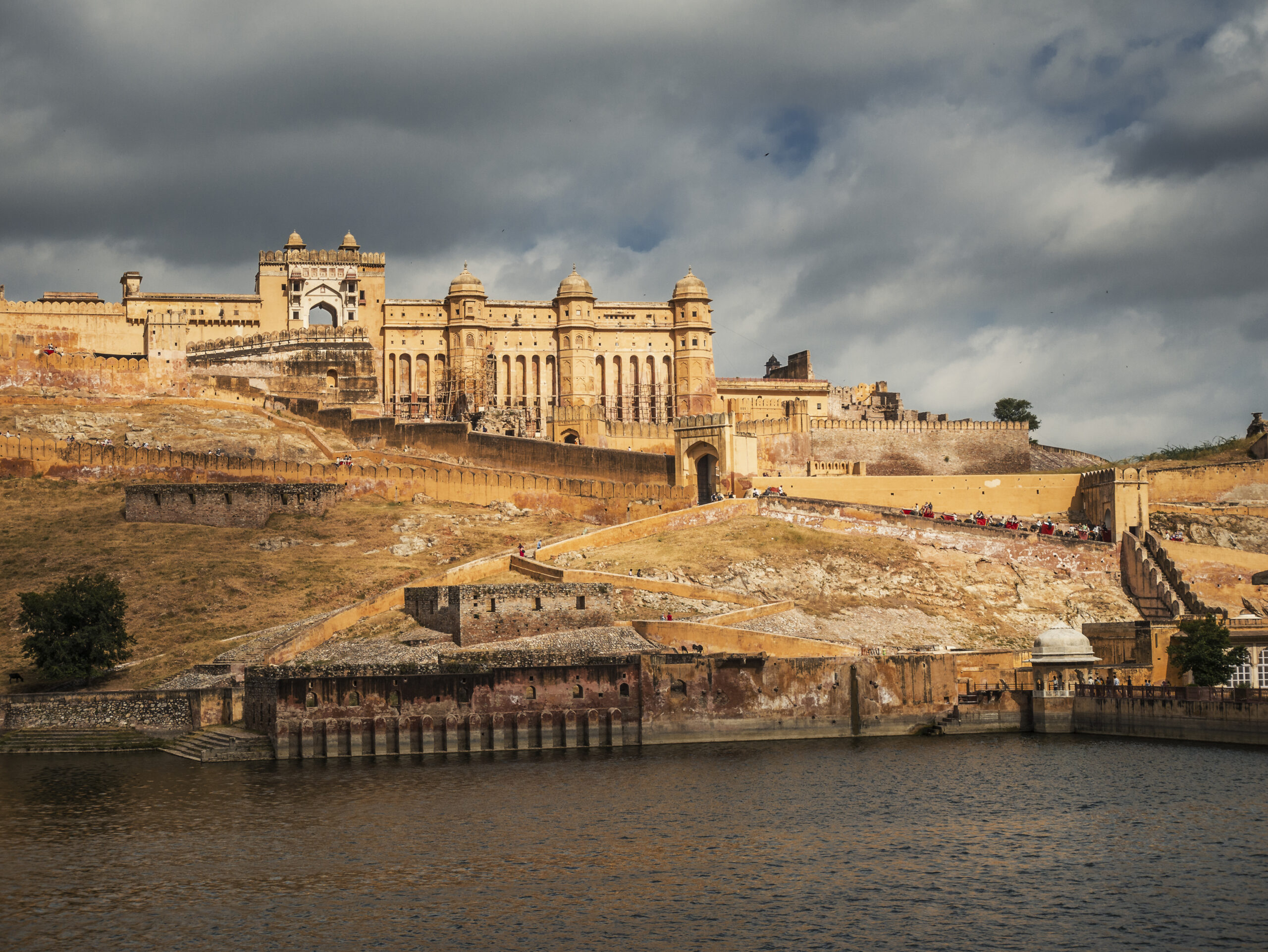
Set high on a hill, Amber Fort combines stunning courtyards, marble halls, and colorful frescoes. Built in the 16th century, it was the main residence of Jaipur’s rulers. The Sheesh Mahal (Mirror Palace) is a highlight, where thousands of tiny mirrors sparkle in the light. From the ramparts, you’ll see sweeping views of Maota Lake and the Aravalli hills. Walking through the fort feels like entering a royal world.
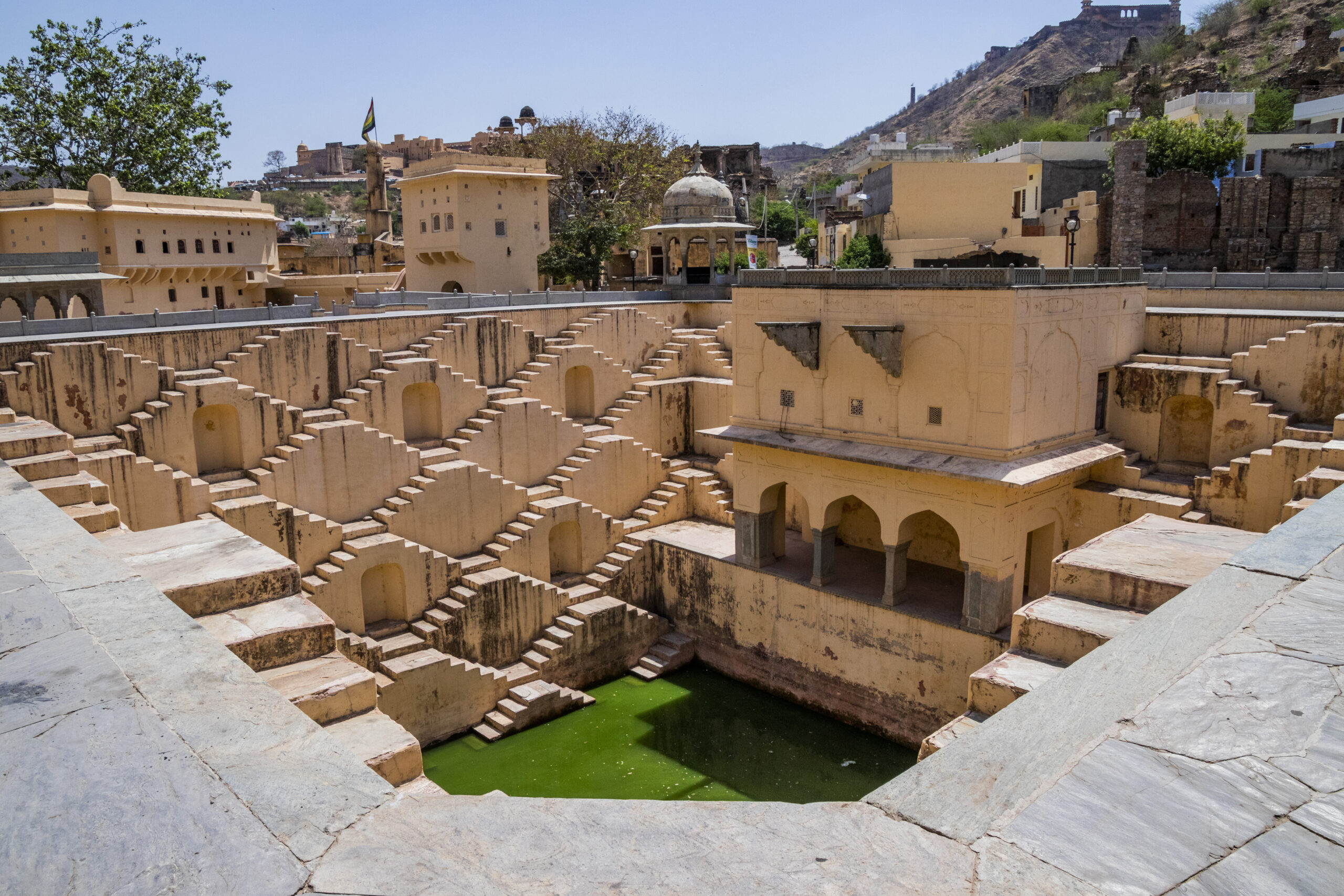
This centuries-old stepwell is known for its perfectly symmetrical zig-zag stairs and calm water at the base. Once used as a community gathering spot and for water storage, today it offers peace and a striking backdrop for photos. It’s not crowded, which makes it a refreshing stop away from the busy streets of Jaipur.
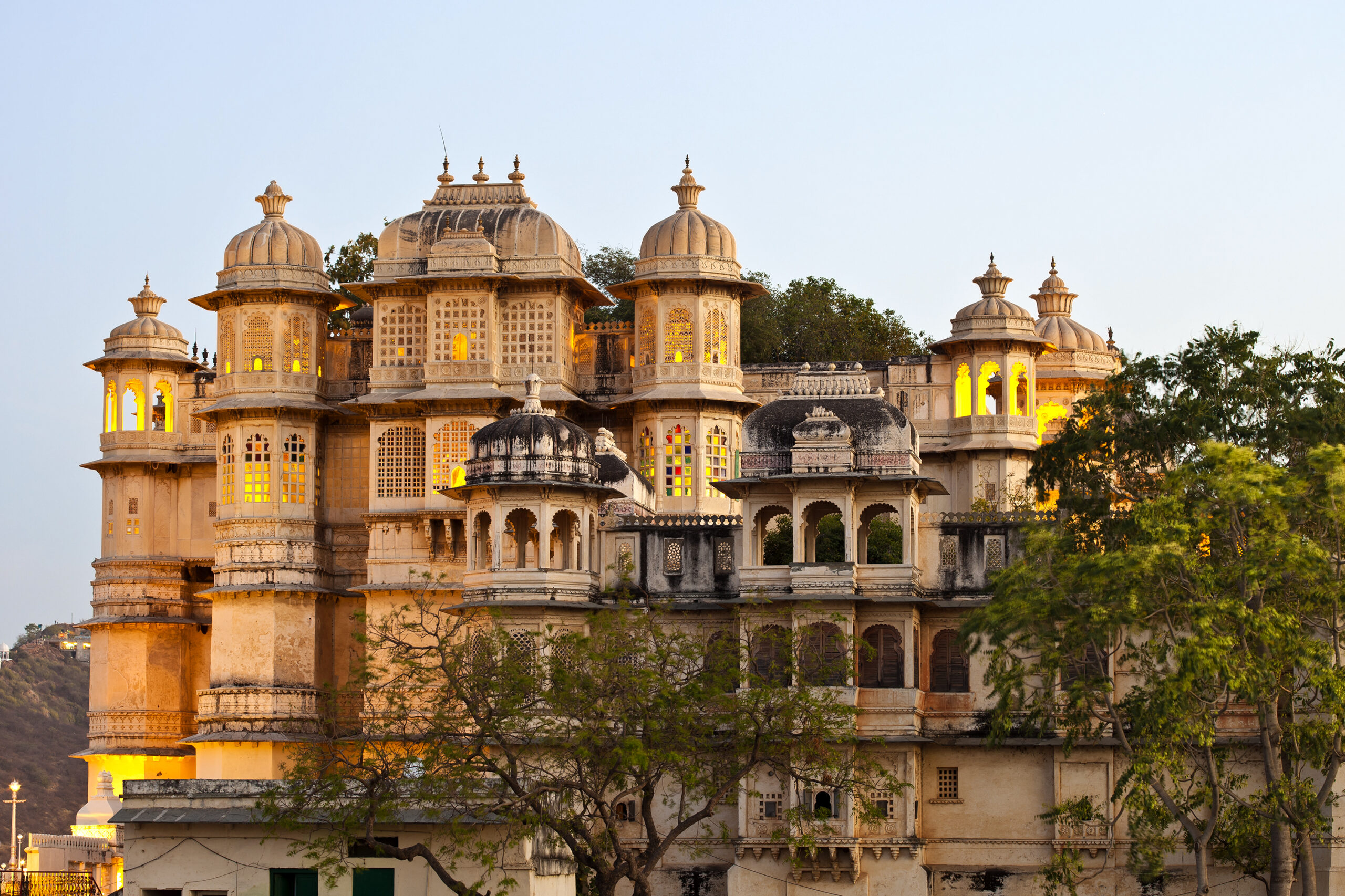
A blend of Rajput and Mughal architecture, City Palace is still the home of Jaipur’s royal family. Inside, you’ll see courtyards, painted archways, and museums displaying costumes, weapons, and artifacts. The four seasonal gates, each decorated with intricate designs, are a highlight for visitors. It’s a colorful and elegant place that lets you step inside the city’s regal lifestyle.
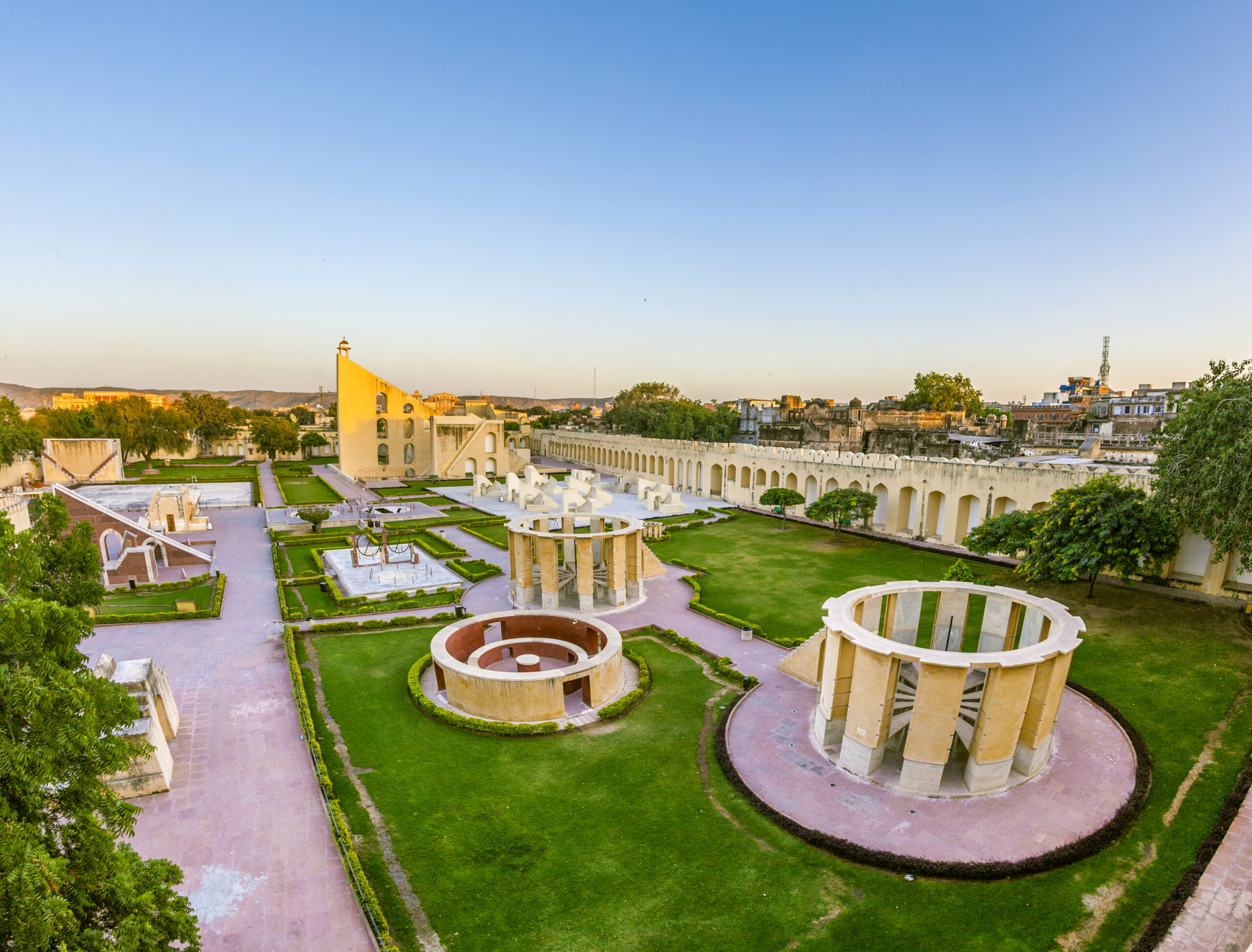
Built in the early 1700s by Maharaja Jai Singh II, this UNESCO site has 19 instruments to track stars, planets, and time. The most famous is the world’s largest stone sundial, still accurate today. Walking around, you’ll be amazed at how advanced the science was centuries ago. It’s both educational and fascinating, especially if you enjoy unique sites.
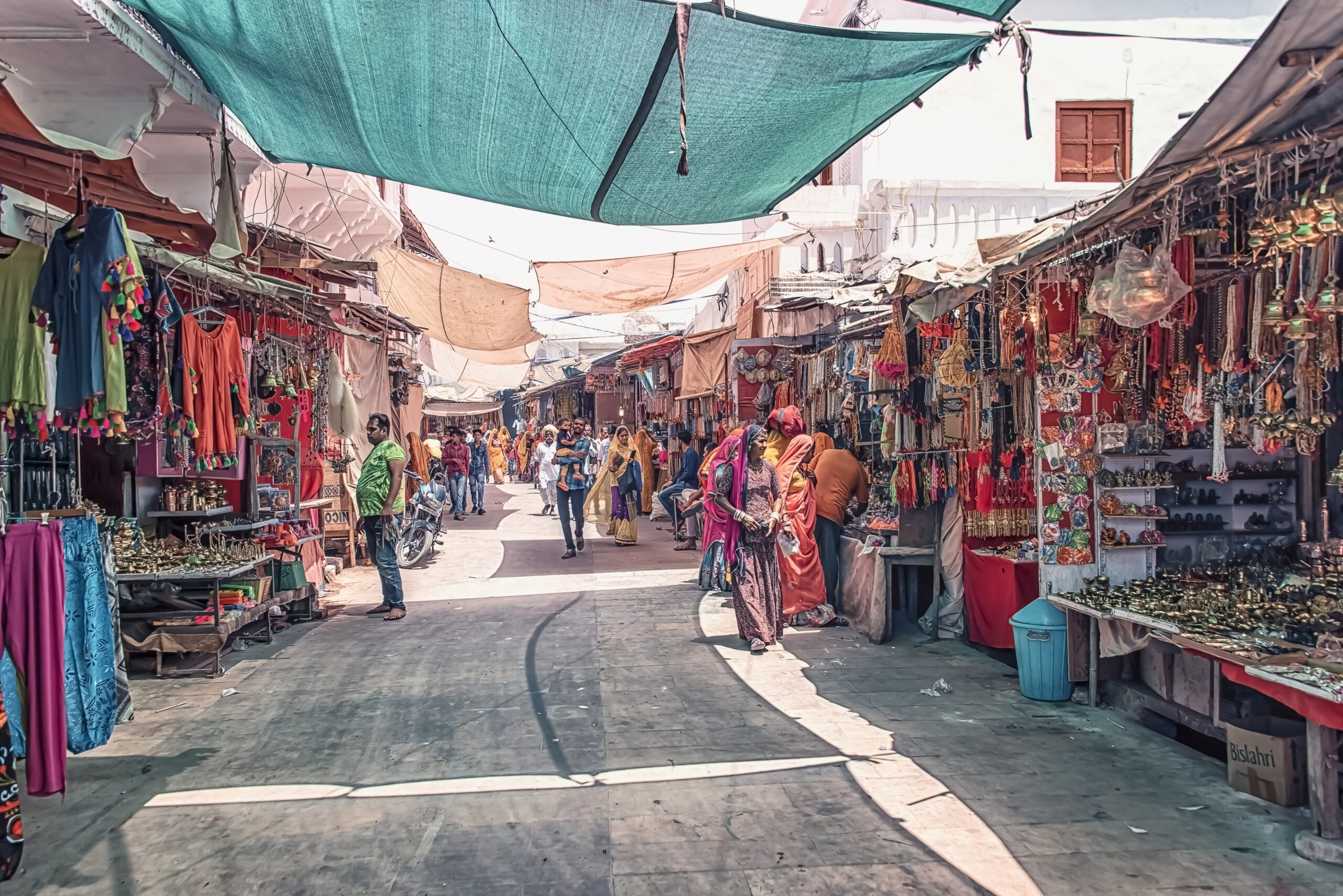
Jaipur’s bazaars are a must for soaking in the local vibe. Johari Bazaar is famous for jewelry, Bapu Bazaar for textiles and mojari shoes, and Tripolia Bazaar for brassware and handicrafts. Even if you don’t buy anything, the mix of colors, scents, and sounds makes it a lively cultural experience. Many travelers end up picking small souvenirs as a memory of Jaipur.
| Days Before Tour Start | Cancellation Fee (%) | Refund Given |
|---|---|---|
| 1–7 days | 100% | No refund |
| 8–14 days | 75% | 25% refund |
| 15–21 days | 50% | 50% refund |
| 22–28 days | 40% | 60% refund |
| 29–35 days | 30% | 70% refund |
| 36–45 days | 20% | 80% refund |
| 46–52 days | 15% | 85% refund |
| 53–60 days | 10% | 90% refund |



Write Your Review